
A supplement label should help you answer a simple question: is this product appropriate for me, and do I understand exactly what one daily serving contains?
Start the five-question check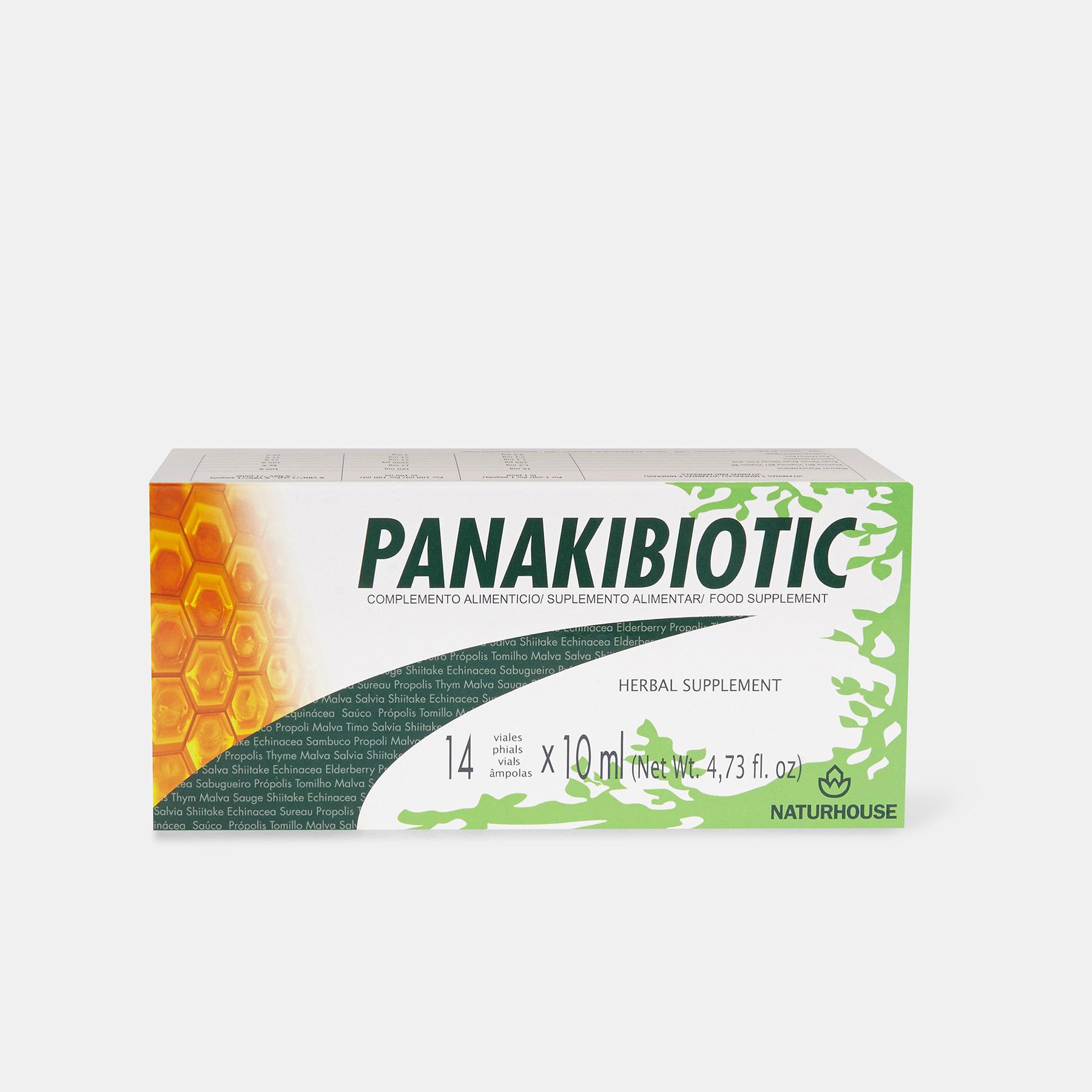
A label is most useful when you read it in a consistent order. This guide uses the current Panakibiotic pack as a worked example, without treating the product as a substitute for a varied diet, medical care or prescribed treatment.
Your 30-second label scan
Serving
What amount counts as one serving, and how many servings are in the pack?
Formula
Which ingredients are quantified per serving, and what else is included?
Suitability
Do any warnings apply to your age, allergies, medicines or health situation?
1. Start with the serving size
Never compare two supplements by pack size alone. One bottle, sachet or vial may represent a full serving, while another product may require two or more units.
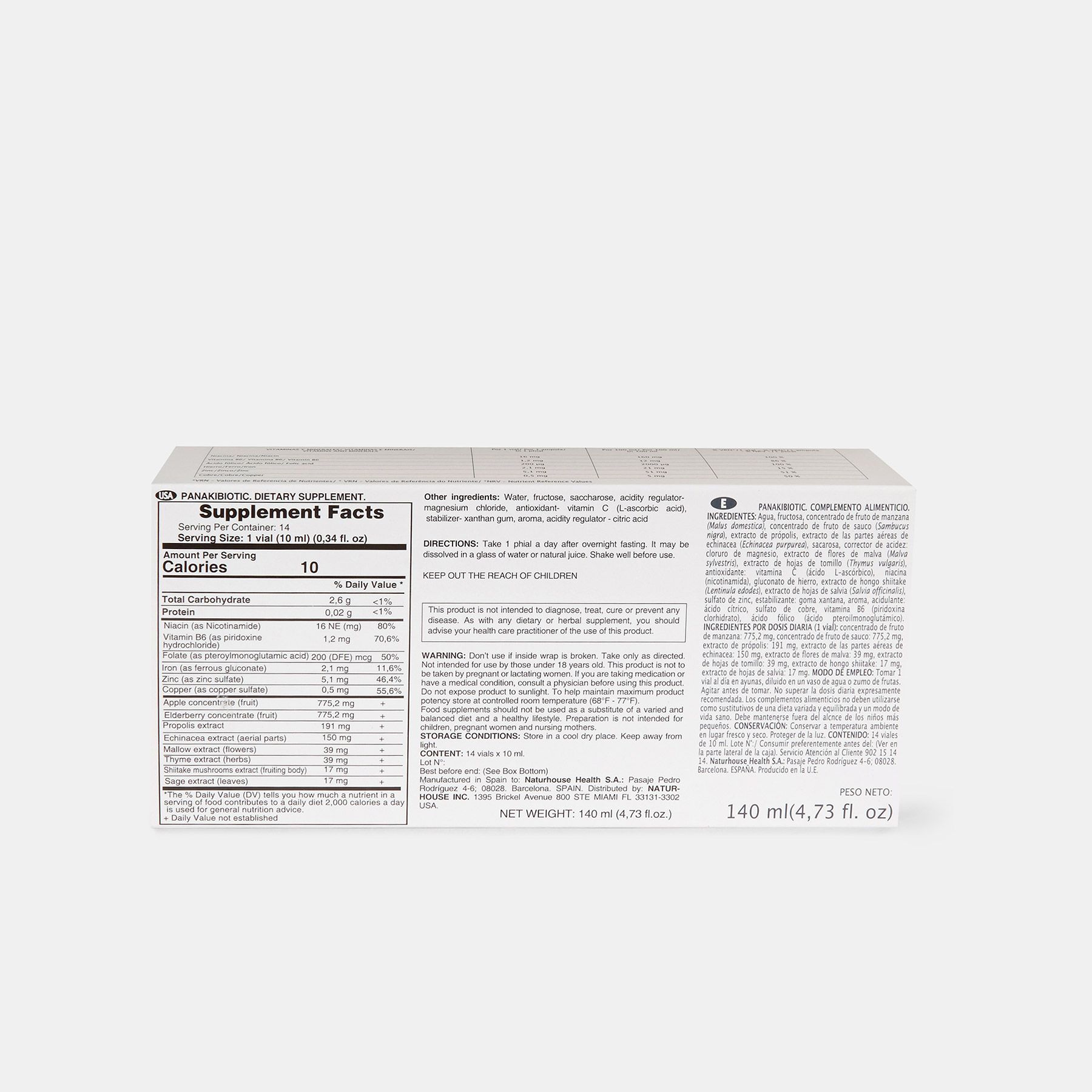
On the current Panakibiotic panel, one serving is one 10 ml vial and the box contains 14 servings. That serving is the reference point for the nutrient and ingredient amounts shown on the label.
2. Read the amount per serving—not just the ingredient name
An ingredient list tells you what is present. The nutrition or supplement panel tells you how much a serving provides. On the current 10 ml Panakibiotic serving, the panel lists:
| Nutrient | Amount per 10 ml vial |
|---|---|
| Niacin | 16 mg |
| Vitamin B6 | 1.2 mg |
| Folate | 200 mcg DFE |
| Iron | 2.1 mg |
| Zinc | 5.1 mg |
| Copper | 0.5 mg |
Reference values and the way they are displayed can vary by market. Always use the information on your own pack.
More is not automatically better. If you use more than one supplement, check whether you are repeating nutrients across products and ask a doctor or pharmacist when you are unsure.
3. Check the whole formula
The current Panakibiotic label also quantifies several plant and food-derived ingredients per vial:
775.2 mg each
Apple concentrate and elderberry concentrate.
191 mg
Propolis extract.
150 mg
Echinacea extract.
39 mg each
Mallow flower extract and thyme herb extract.
17 mg each
Shiitake mushroom extract and sage leaf extract.
Also check
Other ingredients, preparation directions, storage information and the use-by date.
Botanical names can sound reassuring, but suitability still depends on the complete formula, the dose, your health and anything else you take.
4. Separate label facts from marketing promises
In the EU, nutrition and health claims used in commercial communication must follow authorised wording and conditions of use. A disease-treatment or disease-prevention promise is not the same as an authorised health claim for a nutrient.
- FactA measurable detail such as “5.1 mg zinc per serving”.
- ClaimA permitted statement about a nutrient’s role, used only when its conditions are met.
- Red flagLanguage suggesting that a food supplement diagnoses, treats, cures or prevents a disease.
- Good questionWhat exactly is the claim based on, and does the serving provide the amount required for that wording?
5. Check whether the product is suitable for you
Read the warnings before the promotional copy. Take particular care if you:
- take prescription or over-the-counter medicines;
- have a medical condition;
- are pregnant or breastfeeding;
- are choosing a product for a child or teenager;
- have food, plant or bee-product allergies;
- use several supplements at the same time.
Age guidance and warnings can vary between products and label versions. Follow the current packaging and ask a doctor or pharmacist if any point is unclear.
Worked example: what the current Panakibiotic label tells you
The useful facts at a glance
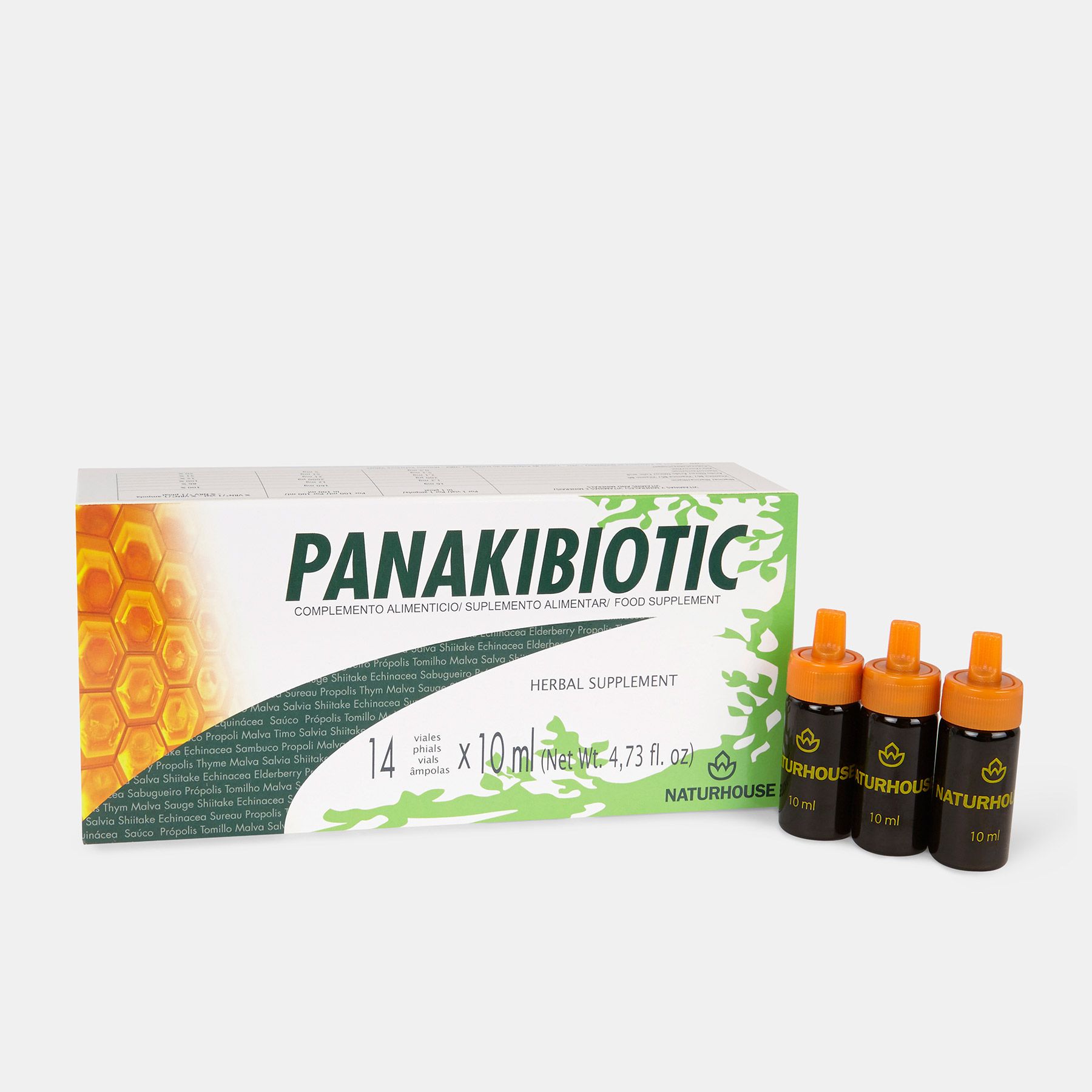
- Format14 vials, each containing 10 ml.
- ServingOne vial.
- DirectionsThe current pack says to take one vial daily after overnight fasting; it may be diluted in water or natural juice and should be shaken before use.
- FormulaNamed nutrients plus quantified fruit, propolis, herb and mushroom extracts.
- ChecksWarnings, allergies, medicines, medical conditions and other supplements.
- LimitThe label does not turn the product into a medicine or replace a varied diet.
Save this eight-point checklist
- 1What is one serving?
Check units, volume and the number of servings per pack.
- 2How much of each active ingredient does one serving provide?
Use the per-serving column, not the whole-pack total.
- 3Am I doubling up?
Compare the formula with your other supplements and fortified foods.
- 4What are the other ingredients?
Check sweeteners, flavours, allergens and anything you avoid.
- 5What are the directions?
Check timing, preparation and maximum daily use.
- 6What are the warnings?
Read the age, pregnancy, medicine and medical-condition advice.
- 7Is the claim specific and permitted?
Be cautious with vague, dramatic or disease-related promises.
- 8Who can help me decide?
Ask a pharmacist, doctor or suitably qualified professional when in doubt.
Bring the label to your consultation
Your Naturhouse Nutrition Specialist can help you read the serving, formula and directions alongside your personalised food plan. Medical and medicine-related questions should be checked with your doctor or pharmacist.
Food supplement label FAQs
Does a longer ingredient list mean a better supplement?
No. The relevance of the ingredients, their amounts, the intended use and suitability for the individual matter more than the length of the list.
Does “natural” mean a product is suitable for everyone?
No. Natural ingredients can still cause allergies, side effects or interactions. Read the complete label and seek professional advice when appropriate.
Can I combine several food supplements?
Sometimes, but check for repeated nutrients, herbs and other active ingredients. A pharmacist or doctor can help if you take medicines, have a medical condition or are unsure.
Can a food supplement prevent colds or flu?
Do not infer disease prevention from an ingredient list or general marketing. Food supplements are not medicines and should not be presented as diagnosing, treating, curing or preventing disease.
- The current Panakibiotic pack and its technical packaging sheet.
- European Commission: Nutrition and health claims.
- EU Register of nutrition and health claims.
- NIH Office of Dietary Supplements: What You Need to Know.
Health disclaimer: This article provides general information and is not medical advice. Food supplements should not replace a varied, balanced diet and healthy lifestyle. Read the current label and follow its directions. Speak with a doctor or pharmacist if you have a medical condition, take medicines, are pregnant or breastfeeding, have an allergy, or are unsure whether a product is suitable.