
No “hormone-balancing” menu or perfect day required. Use these flexible meal ideas to build a balanced routine with familiar foods.
Explore the day of meals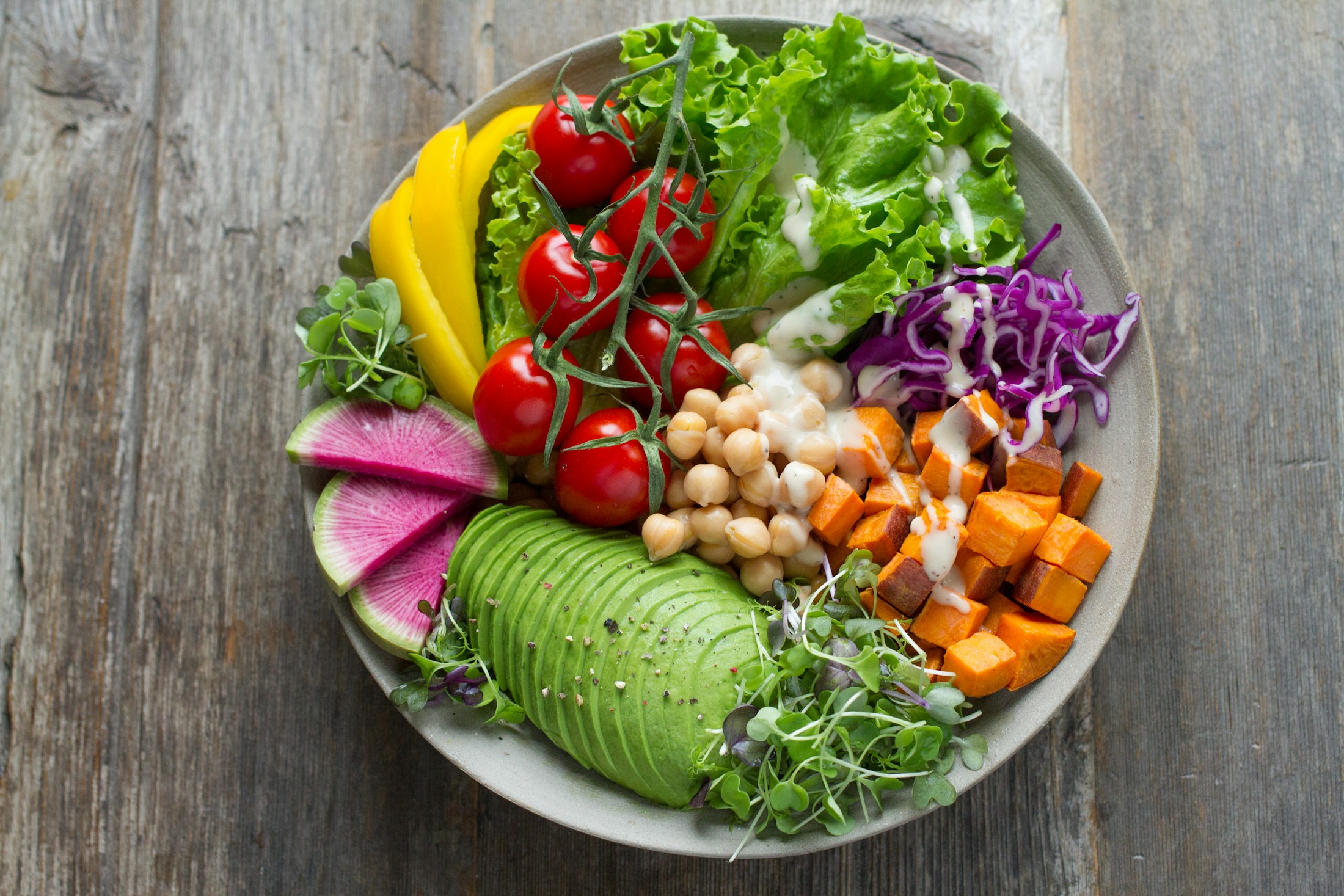
Perimenopause can bring changes to sleep, symptoms and daily routine. Food does not need to become another source of pressure. The NHS recommends a healthy, balanced diet during perimenopause and menopause, including fruit, vegetables and calcium-rich foods. This example day shows how that can look in a Maltese kitchen—not a prescribed meal plan or treatment for symptoms.
Three principles before the menu
Look at the whole day
Balance matters over a day or even a week, not in every single meal.
Include variety
Rotate vegetables, fruit, wholegrain or higher-fibre starches, protein foods and unsaturated fats.
Remember calcium
Milk, yoghurt and some fortified alternatives can contribute; check labels if you avoid dairy.
A flexible day of meals
Portions and meal timing depend on your appetite, activity, health and preferences. Use the combinations as ideas, not rules.
Breakfast: yoghurt, oats and fruit
Plain yoghurt or a calcium-fortified unsweetened alternative, oats, sliced seasonal fruit and a small handful of nuts or seeds. If you prefer savoury, try eggs with wholegrain toast and tomatoes.
Lunch: a Maltese-style salad bowl
Build a bowl with tomatoes, cucumber, leafy greens and chickpeas or tuna; add wholegrain bread or another starchy food and a little olive oil. Choose a bean-based version if you do not eat fish.
Dinner: vegetables, lentils and a staple
Make a simple vegetable-and-lentil stew with carrots, onion and tomatoes. Serve with wholegrain rice or bread. Add herbs and lemon for flavour rather than relying on a packaged sauce.
If you are hungry between meals
Fruit with yoghurt, a few nuts, or hummus with vegetable sticks are practical options. A snack is optional, not a test of discipline.
Keep water available through the day, especially in warm weather. For more everyday ideas, see our guides to satisfying breakfasts and eating well on a budget in Malta.
Swap what does not suit you
- No dairy?Look for an unsweetened calcium-fortified alternative and check its nutrition label. Fortification varies by brand.
- Vegetarian?Use chickpeas, lentils, beans, eggs or tofu according to your preferences; vary protein sources over the week.
- Short on time?Tinned beans, frozen vegetables, pre-washed greens and leftover grains can make the same meal structure quicker.
- Small appetite in the morning?Move the breakfast components to a later meal. There is no required eating timetable for everyone.
If you have symptoms that affect eating, a medical condition, allergies or a restricted diet, ask a qualified healthcare professional for individual advice.
A small shopping list to start with
- 1Vegetables and fruit
Choose what is seasonal, affordable and enjoyable; frozen and tinned options can help.
- 2Protein foods
Try eggs, fish, beans, chickpeas or lentils for several different meals.
- 3Higher-fibre staples
Oats, wholegrain bread, brown rice or other favourites.
- 4Calcium-containing choices
Yoghurt, milk or a suitable fortified alternative; compare labels.
- 5Flavour and healthy fats
Olive oil, herbs, lemon, nuts or seeds.
When a general guide is not enough
Perimenopause varies from person to person. If symptoms are troubling, speak with a GP; food advice is not a substitute for diagnosis or treatment. If you have concerns about bone health, iron status, medication interactions or whether a supplement is suitable, seek advice specific to you. A Nutrition Specialist can help turn broad food guidance into meals that fit your routine.
Our existing menopause and weight article covers the broader changes; this guide stays focused on practical meals.
Make your food plan fit your life
Bring your preferences, schedule and questions to a Naturhouse Malta nutrition consultation. We can help you build a realistic routine, while medical questions stay with your doctor.
Perimenopause food FAQs
Is there a special perimenopause diet I must follow?
No single menu is required for everyone. A varied, balanced eating pattern is a useful foundation; individual medical needs and preferences may call for adjustments.
Can a food balance my hormones or stop hot flushes?
Do not rely on a particular food to treat symptoms. If hot flushes or other symptoms are affecting your life, speak with a GP about evidence-based options.
What if I do not eat dairy?
Check the calcium content of suitable fortified alternatives and discuss your overall intake with a qualified professional if you are unsure.
Do I need to take a supplement?
Not automatically. Needs differ, and supplements can interact with medicines or be unsuitable for some people. Ask a doctor or pharmacist before taking one for a specific health concern.
- NHS: Things you can do to help menopause and perimenopause symptoms.
- NHS: The Eatwell Guide.
- British Menopause Society: Menopause, nutrition and weight gain.
Health disclaimer: This article provides general education, not medical advice or an individual diet prescription. Speak with a GP about troublesome perimenopause symptoms, and seek individual dietary advice if you have a medical condition, take medicines, have allergies or need a restricted diet.
Photo: Anna Pelzer on Unsplash, used under the Unsplash License. The bowl illustrates a flexible meal idea; it is not a prescribed perimenopause meal.