
Looking after your bones can begin with the food you already buy. A bowl of plain yoghurt, a calcium-fortified plant drink or sardines with edible bones can all have a place in a varied diet.
Explore three everyday foods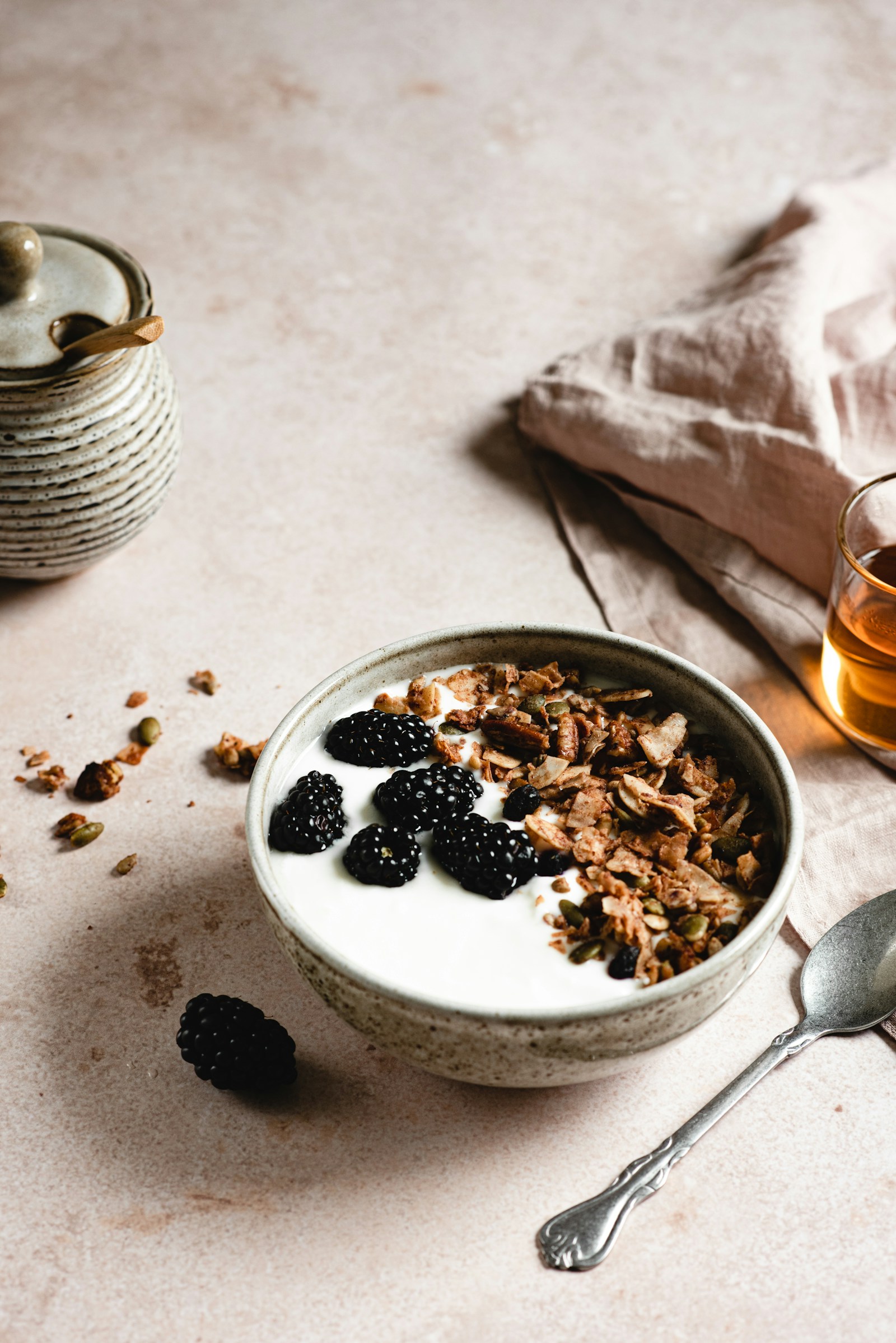
During perimenopause and menopause, it is worth giving bone health some attention alongside how you feel, sleep and move. This guide offers practical ways to make calcium-rich foods part of your routine.
Why bone health matters during menopause
Oestrogen helps protect bones. As levels fall around menopause, bone loss can accelerate, particularly in the years after your periods stop.
Food is one part of caring for your bones, alongside appropriate exercise and medical advice when needed. You do not need a complicated “menopause diet” to begin. NHS: food for healthy bones.
Three everyday foods to consider
1. Plain yoghurt
Dairy yoghurt provides calcium and can be easy to include at breakfast or as a snack.
Try it with oats and fruit, or use it as a savoury dressing with lemon and herbs. Choose a variety you enjoy and that suits your needs.
2. A calcium-fortified alternative
If you prefer plant-based drinks or yoghurt alternatives, check that calcium has been added. Soya, oat and almond products vary, so do not assume every dairy alternative provides the same nutrients.
Calcium-set tofu is another option to explore. Check the packaging rather than relying on the product name alone.
3. Sardines with edible bones
The soft, edible bones in tinned sardines provide calcium. Sardines are also an oily fish.
For an easy lunch, serve them on wholegrain toast with tomatoes, or add them to a salad with beans and vegetables. Sardine fillets without bones will not provide the same calcium contribution from the bones.
The quick plant-drink label check
Before putting a carton in your basket, look for:
- 1Added calcium
Is the drink described as calcium-fortified?
- 2The amount
Compare calcium per 100 ml where it is listed.
- 3Other nutrients
Check protein and whether vitamin D has been added.
- 4Your preferences
Consider added sugar, ingredients and allergens.
Make it part of an ordinary day
You do not have to eat all three featured foods. Choose options that suit you.
Breakfast
Porridge made with milk or a calcium-fortified plant drink, topped with fruit.
Lunch
Sardines with edible bones on toast, with a tomato and cucumber salad.
Another option
Plain yoghurt with fruit, or a calcium-fortified alternative.
These are meal ideas, rather than a complete daily calcium plan. Portions and nutritional content vary, and your needs depend on your circumstances.
Remember vitamin D and movement
Vitamin D helps your body absorb calcium. Food sources include oily fish, egg yolks and some fortified foods. Living in sunny Malta does not tell you whether your vitamin D intake or level is adequate. Ask your doctor or pharmacist if you are unsure whether you need a supplement. NHS: vitamin D.
Movement matters too. Activities that put weight through your feet and legs, alongside muscle-strengthening exercise, can support bone health. Walking, dancing and suitable resistance exercises are examples.
Build up gradually. If you have osteoporosis, a previous fracture or concerns about suitable exercise, seek advice from your doctor or physiotherapist. Royal Osteoporosis Society: exercise for bones.
Your small step this week
Choose one action you can repeat:
- Add a calcium-rich food to your usual shopping list.
- Check the label on your regular plant drink.
- Plan a suitable activity you enjoy.
Start with your existing routine and make one useful adjustment.
Want help making food choices fit your life?
Our Naturhouse Malta Nutrition Specialists can help you build a practical eating routine around your preferences, appetite and everyday schedule.
Frequently asked questions
Do I have to eat dairy for healthy bones?
No. Calcium-fortified alternatives and other calcium-rich foods can contribute. If you exclude dairy, pay attention to the foods replacing it. Royal Osteoporosis Society: calcium.
Should everyone take a calcium supplement during menopause?
Not automatically. Your food intake and individual health needs matter. A healthcare professional can help you decide whether a supplement is appropriate. Royal Osteoporosis Society: calcium supplements.
Is walking enough?
Walking can be part of your routine, but bone-health exercise also includes suitable strength activities. The right mix depends on your fitness, health and fracture risk. Royal Osteoporosis Society: exercise for bones.
More practical support
Explore our menopause nutrition support, our practical day of perimenopause meals and our guide to walking and eating well in Malta.
- NHS: food for healthy bones
- NHS: vitamin D
- Royal Osteoporosis Society: calcium
- Royal Osteoporosis Society: exercise for bones
This guide provides general nutrition information. If you are concerned about osteoporosis or your personal bone health, speak to your doctor.
Food photograph by Natalie Behn on Unsplash.