
Healthy eating does not require a basket full of premium “wellness” products. The most useful budget strategy is to buy foods that can play more than one role, plan around what you will actually cook and reduce the food that ends up unused.
Start reading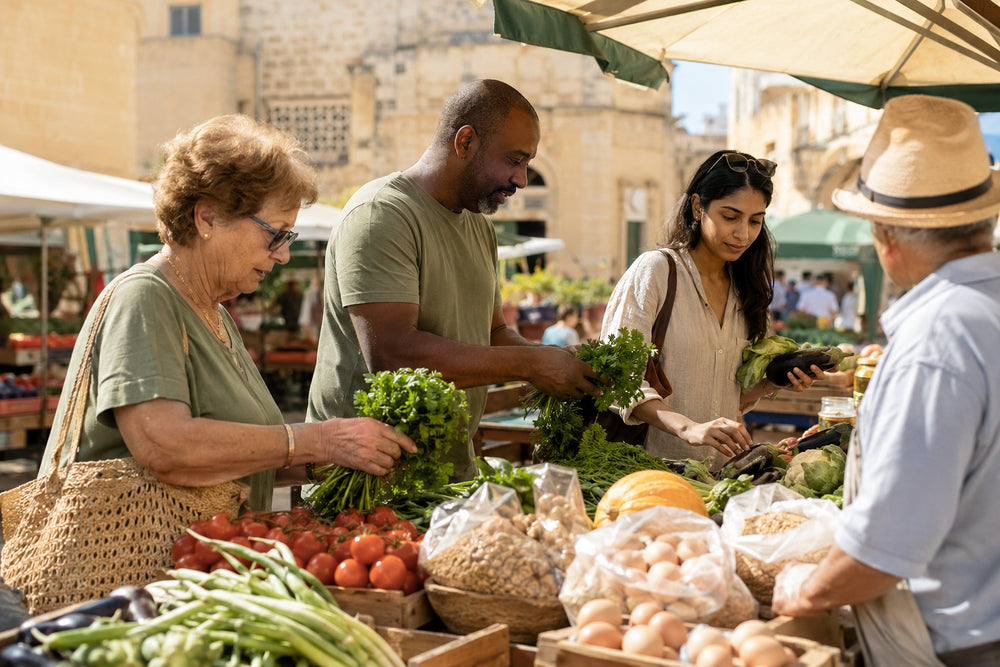
Start with meals, not a long shopping list
Before shopping, choose three or four main meals that share ingredients. A tray of roasted vegetables can become a side dish, a grain-bowl topping and the base of a quick omelette. Chickpeas can go into a salad, soup or tomato-based stew. This overlap reduces waste without forcing you to eat exactly the same meal every day.
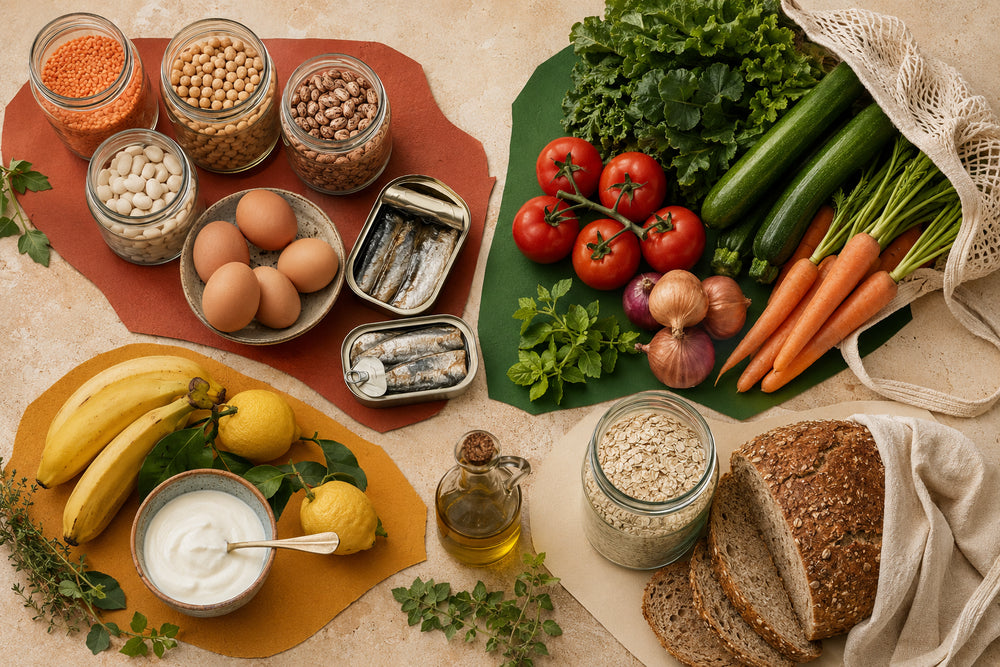
A simple four-part basket
1. Choose two or three practical protein sources
Eggs, beans, lentils, chickpeas, plain yoghurt, tinned fish and frozen fish can all be useful choices. Compare the cost per serving rather than assuming the largest pack is automatically the best deal.
2. Buy produce with a plan
Use delicate salad leaves and ripe fruit early in the week. Keep sturdier vegetables—such as carrots, onions, cabbage or frozen vegetables—for later meals. Seasonal produce can offer good value, but only when it suits the meals you intend to make.
3. Add filling, fibre-rich staples
Oats, potatoes, rice, wholegrain pasta, barley and wholegrain bread are versatile bases. Portion size still depends on your needs, but these foods do not need to be removed from a balanced weight-management plan.
4. Build flavour deliberately
Garlic, onions, herbs, spices, lemon, tomato and a measured amount of olive oil can make simple ingredients feel like a proper meal. Flavour is part of making a routine sustainable.
Compare value, not marketing
| Check | Question to ask |
|---|---|
| Cost per serving | How many realistic meals or snacks will this provide? |
| Use across meals | Can I use it in two or three different dishes? |
| Waste risk | Will I use it before it spoils, or should I choose frozen? |
| Convenience | Will the preparation time still work on my busiest day? |
This is a decision guide, not a claim that one format is always cheapest. Prices and availability vary between shops and seasons.
Seven budget-friendly meal combinations
- Oats with plain yoghurt, banana and cinnamon.
- Eggs with wholegrain toast and tomatoes.
- Lentil and vegetable soup with a balanced side.
- Chickpea, tomato, cucumber and herb salad.
- Wholegrain pasta with tomato, vegetables and tuna or beans.
- Vegetable omelette with potatoes or bread.
- Frozen fish with seasonal or frozen vegetables and rice.
Adjust portions and ingredients to your health needs, preferences, household and goals. If buying larger packs, divide and freeze suitable foods promptly so that “bulk value” does not become waste.
Convenience can be worth paying for
Pre-cut or frozen vegetables, tinned pulses and ready-cooked grains may cost more per kilogram, but they can still be useful when they prevent an expensive takeaway or an unused fridge. The best plan balances money, time, cooking confidence and energy.
Where personalised support fits
The Naturhouse Method can help you turn broad advice into a food structure that fits your routine, preferences and goals. Your Nutrition Specialist can help you choose realistic meals and review the points at which your plan becomes difficult to follow.
Healthy eating on a budget FAQs
Are frozen vegetables as useful as fresh?
Both can contribute to a balanced diet. Frozen vegetables are convenient, keep longer and can reduce waste. Choose versions without unnecessary sauces or large amounts of added salt where possible.
Are beans a complete replacement for meat?
Beans and lentils are valuable sources of protein, fibre and other nutrients. A varied eating pattern matters, and individual requirements differ—particularly for people with medical conditions or specific nutritional needs.
Do I need organic food to eat healthily?
No. A varied pattern built around accessible vegetables, fruit, pulses, wholegrains and suitable protein foods is more important than an organic label.
Is batch cooking always cheaper?
It can save time and reduce waste when you enjoy the meals and store them safely. Start with one double recipe rather than preparing an entire week of unfamiliar food.